Dirt Work
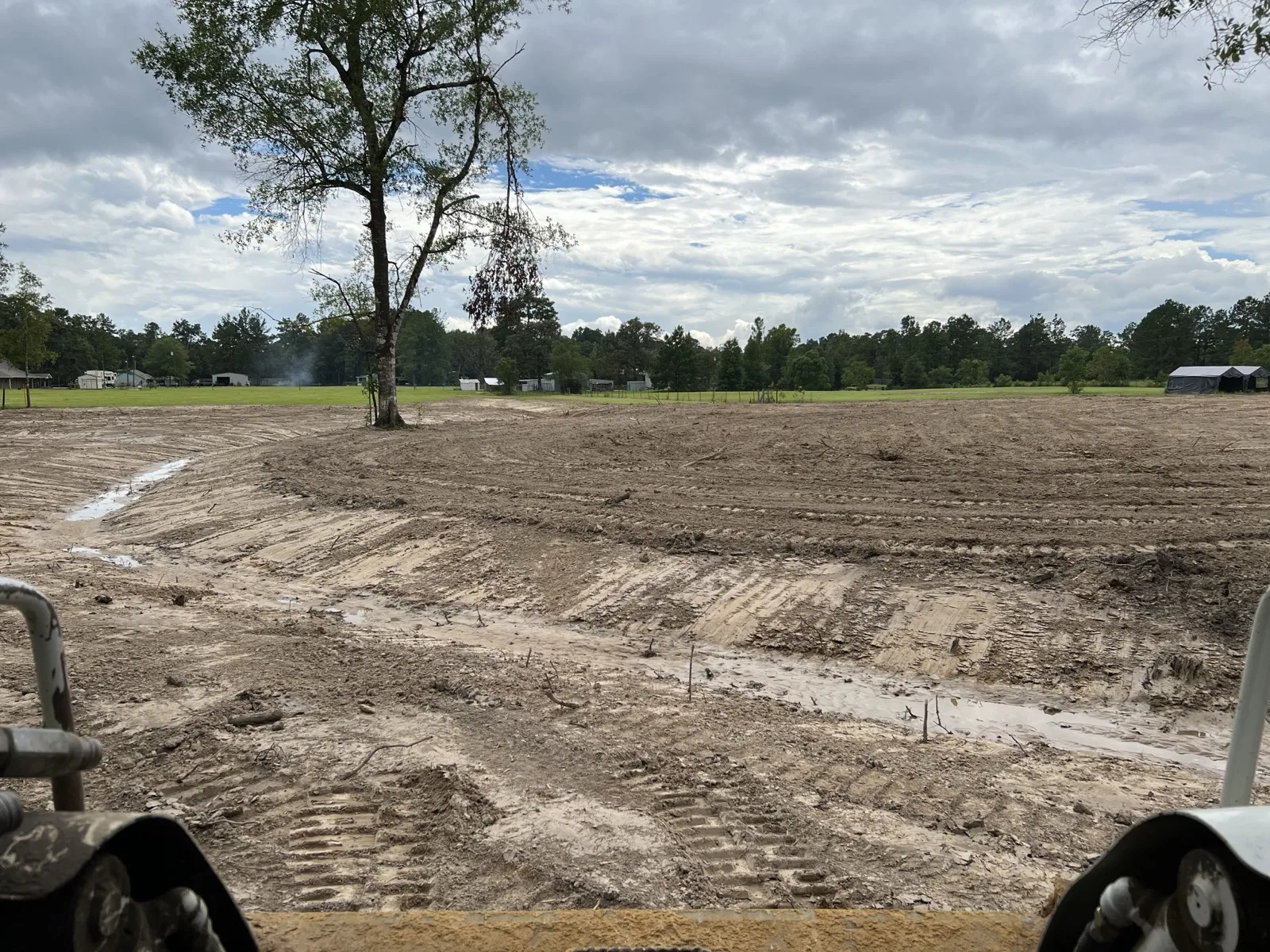
House pads, barn pads, site prep and fill: dirt hauled, placed, shaped and packed so what you build on it stays put.
View Details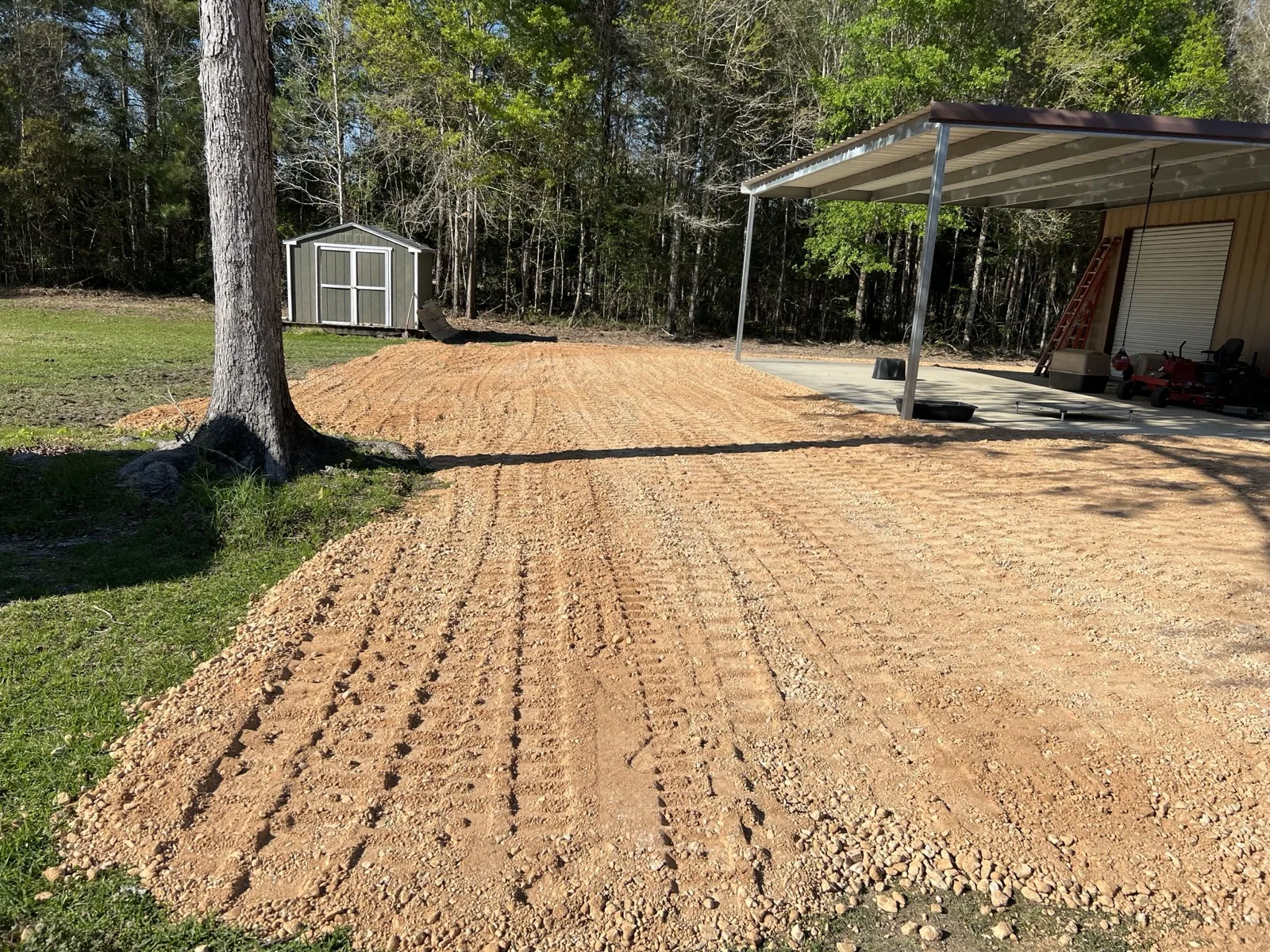
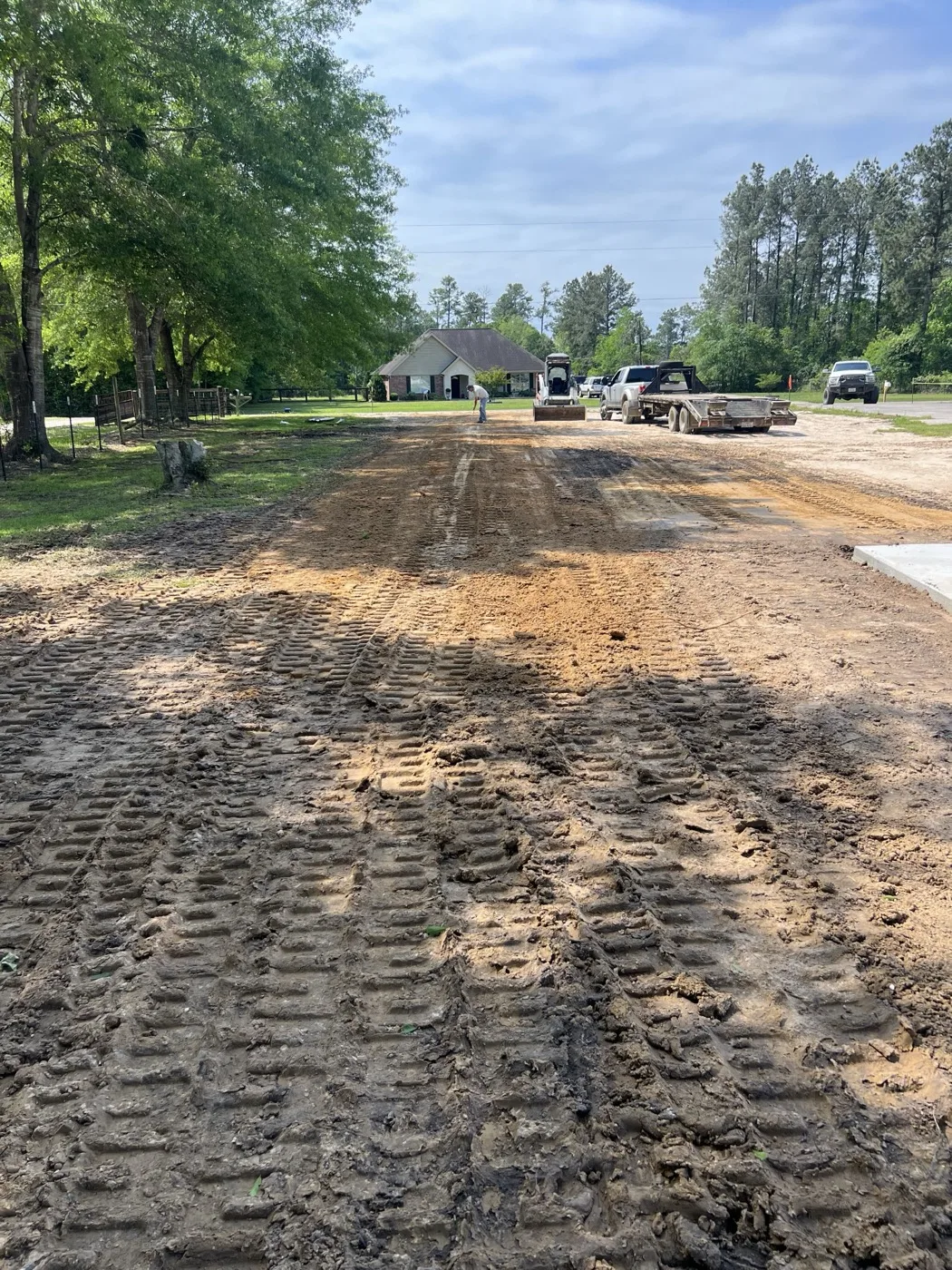
We build gravel driveways in Buna and all across Texas. That covers a fresh lane cut through raw ground and a rutted drive rebuilt back to solid. A drive is dirt work before it is gravel. The lane gets stripped, then the subgrade gets shaped and crowned. Base and surface rock go on after that and get worked in. Done that way, water leaves the drive instead of soaking into it, and the rock stays where we put it.
Most drive work starts with the ground under it. Soft, low ground gets fill placed and packed the same way we build house and barn pads, and a lane through timber gets opened up first. Where a drive meets the county road ditch, the culvert and ditch work has to be right or the new rock washes out by spring. We have been moving dirt around here since 1990, and a drive gets built to fit the ground it sits on.
Tell us about your land — we’ll get right back to you.
Rain and ground, mostly. NOAA's 1991 to 2020 normals for Port Arthur put a normal year near 62 inches of rain. August is the wettest month and February the driest. The dirt under a lot of Buna does not shed water well. The Evadale soil series has its type location right here in Jasper County. It is poorly drained, very slow to take water, and saturated from the surface through the cool season. South of us the Beaumont clay runs 42 to 60 percent clay and cracks wide open when it dries.
So a drive fails the same few ways, over and over. It got built flat, and ground shaped without fall holds water instead of losing it. There is no ditch beside it to carry water off. Or the rock went straight down on soft wet dirt and sank into it. The FHWA gravel roads guide is blunt about that last part. Standing water anywhere in a road's cross section, the ditch included, is one of the major reasons roads come apart.
A drive gets built in layers, bottom up. We strip the lane down past the sod and the soft stuff. Then the subgrade gets shaped and the crown goes in before any rock lands on it. The FHWA gravel roads guide calls for a straight cross slope of about 4 percent. That works out to about a half inch of fall for every foot of width. The same guide says not to go past 6 percent. Crown is what makes a drive shed water.
Then the rock goes on. Base and surface gravel are not the same material. FHWA says base carries the load with bigger stone and very little fine material. Surface gravel needs stone, sand and a little binding clay so it crusts over and sheds water. Crushed rock beats round rock, because fractured stone keys in and holds under load. TxDOT's flexible base spec covers crushed stone and crushed concrete, and both are sold around here. Its materials guide calls crushed stone like limestone the most common rock in Texas. Soft spots get dug out first.
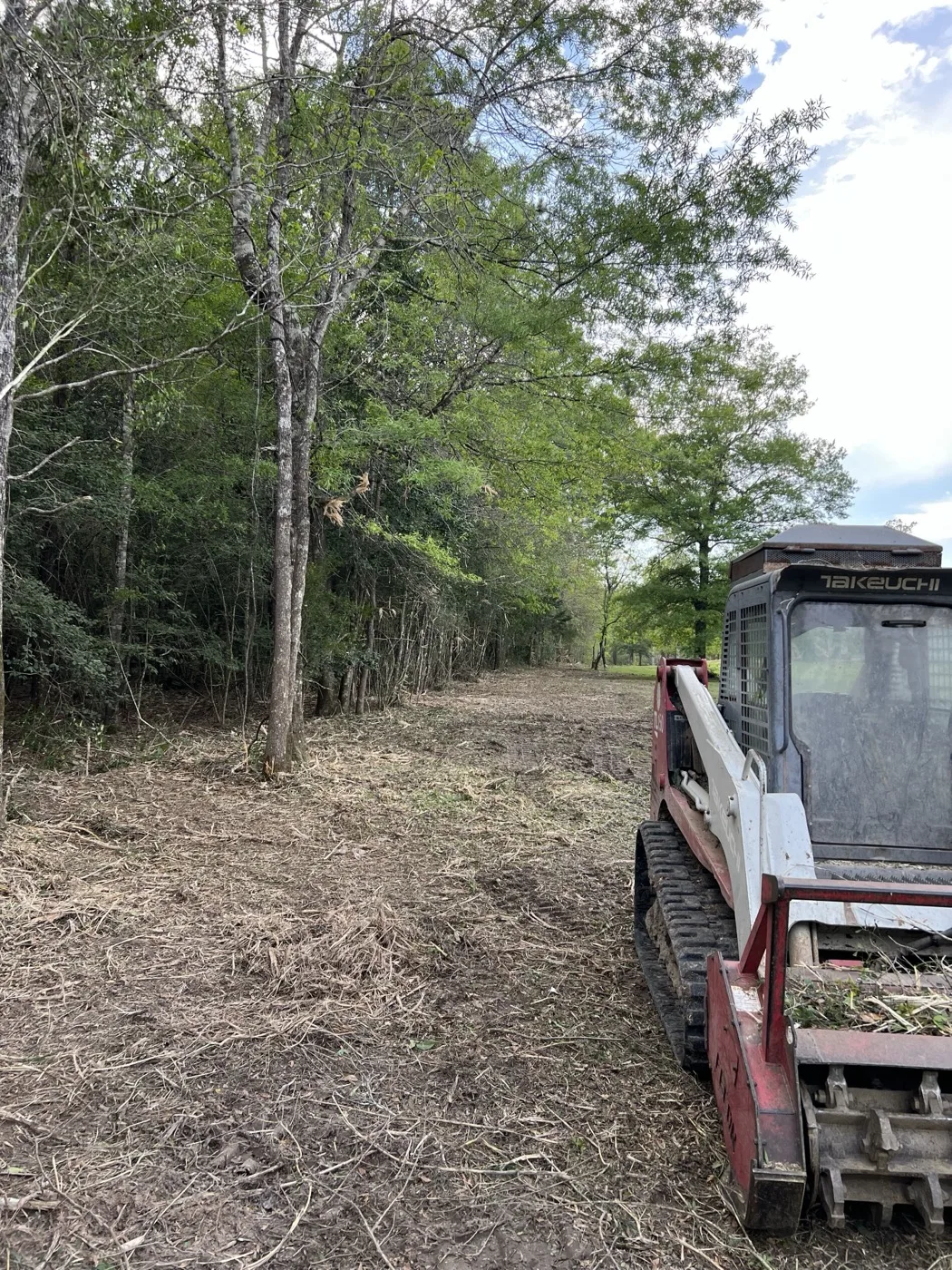
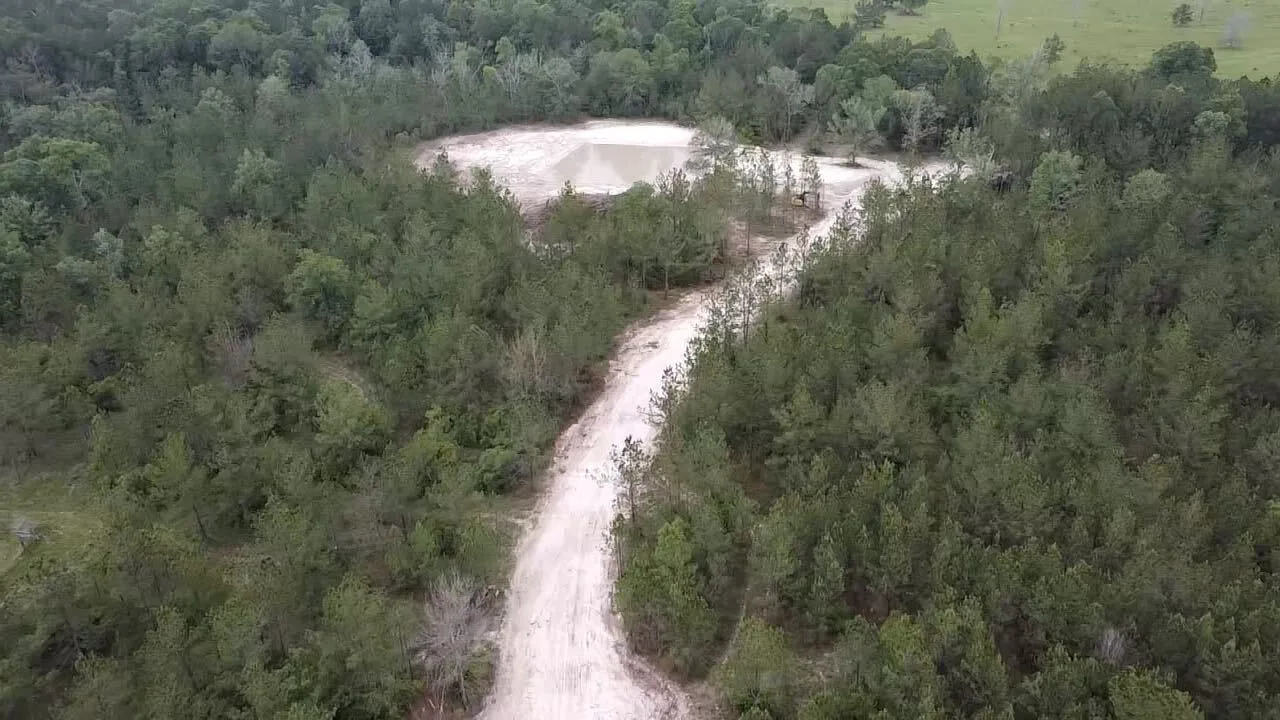
Not every drive runs from the road to a house. We cut ranch roads and access lanes through the pines, out to a homesite, a shop or a pond site. Those lanes get the same treatment as a short drive. The lane is cleared and stripped, then the subgrade is shaped and crowned. Rock goes down where the ground stays soft. A lane built that way is still passable when the woods on either side of it will not let a truck through.
The same rock work builds parking pads and turnarounds. A gravel pad beside a shop or barn keeps equipment and trailers up out of the mud. A turnaround at the end of a long drive saves backing a trailer the whole way out. We build drives, lanes and pads out of Buna for owners in Vidor, Silsbee, Lumberton, Kirbyville and Orange, and across Texas. Ground conditions set the schedule, and the season you pick matters more here than most places.
Usually yes, but a load of rock on top is not always the answer. If the drive still has shape and a place for water to go, fresh surface rock spread and worked in will bring it back. If it has lost its crown, or it ruts every winter, or the rock has sunk into the dirt, then new rock just disappears the same way. That one gets rebuilt. We cut it back down, fix the subgrade, put the crown back in, and re-gravel it.
Our machines are a dozer, an excavator and a tracked mulcher, so we build in dirt and rock. We do not pour concrete or lay asphalt. Material gets brought in and placed, and which rock fits your drive is a call we make at the estimate. Permits follow the road you tie into. A new drive onto a state highway or FM road needs a TxDOT access driveway permit through the Beaumont district. On a county road it is the county. Give us a call to request a free on-site estimate.
From the first walk of the property to the last pass of the blade, here is exactly how it goes.
We come see the property — the trees, the brush, the ground under it, and how wet it runs. What you want cleared, what's worth keeping, and what the job really takes. No blind quotes over the phone.
You get a free estimate with a real number and a real timeline. It covers what's included — clearing, dirt, shaping, debris — and it holds unless the scope changes.
The dozer, excavator or mulcher shows up when we said and does the job the way we quoted it. Anything unexpected in the ground, you hear about it immediately, not on the invoice.
We walk the finished ground with you before we call it done. Clean lines, shaped banks, a pad you can build on or a pasture you can mow. Done means you say it's done.
Common questions about gravel driveways across Buna & all of Texas. Don't see yours? Give us a call — we're happy to help.
House pads, barn pads, site prep and fill: dirt hauled, placed, shaped and packed so what you build on it stays put.
View Details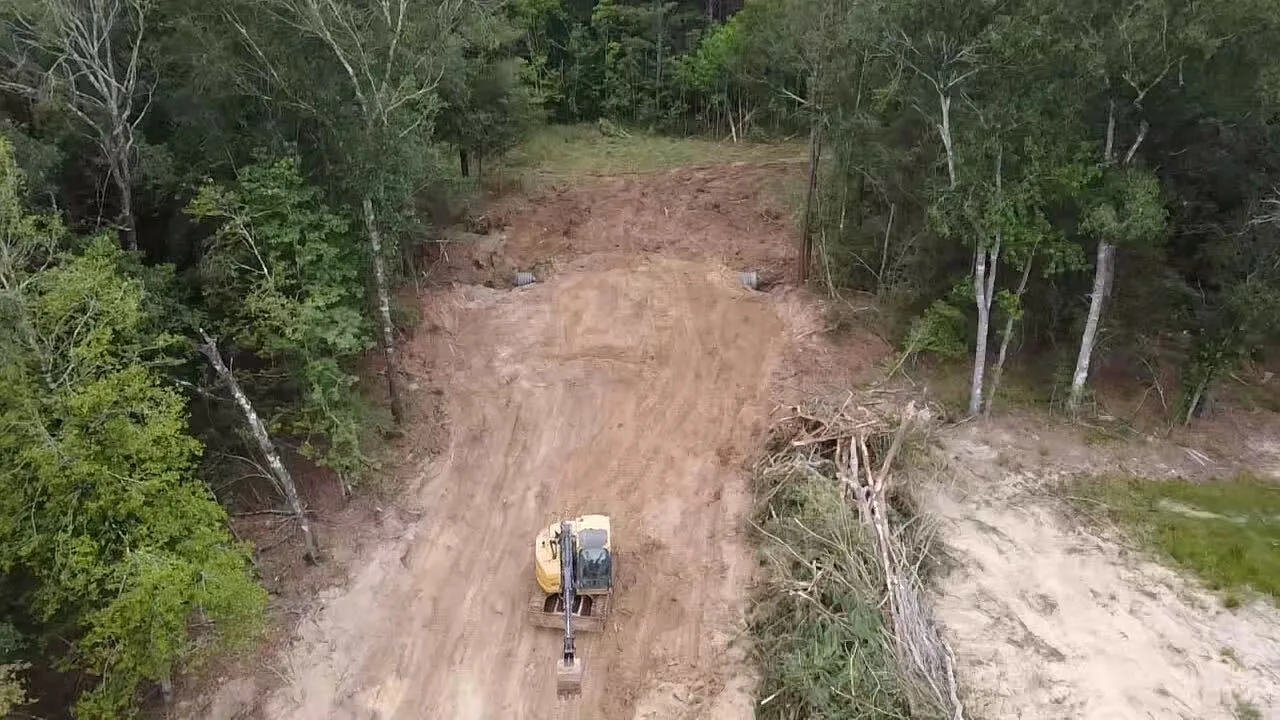
We cut ditches, shape swales, set driveway culverts and regrade the low spots where water stands on your property.
View Details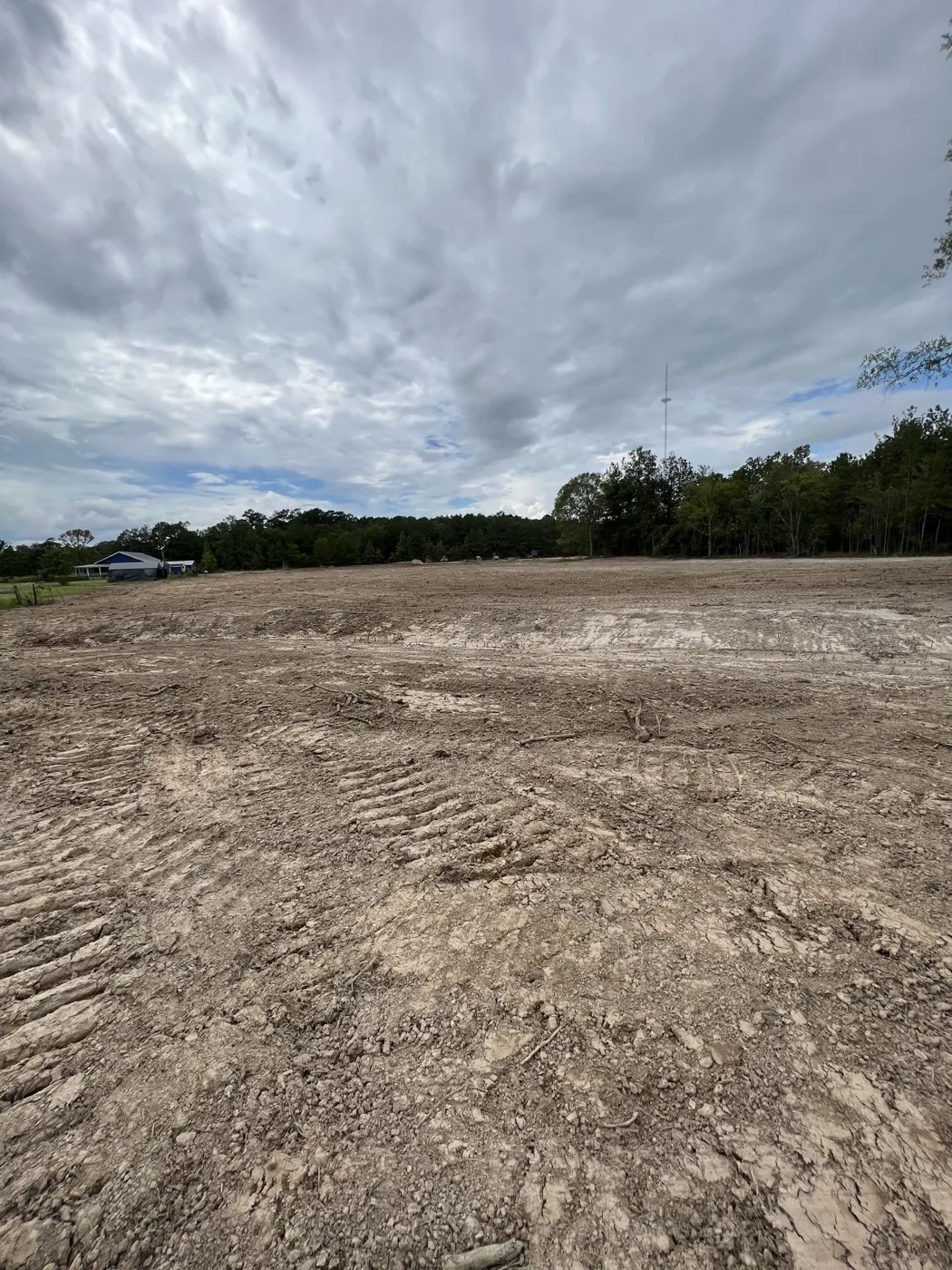
Rough, rutted or washed-out ground graded smooth and sloped to drain — pastures, yards, building sites and everything between.
View Details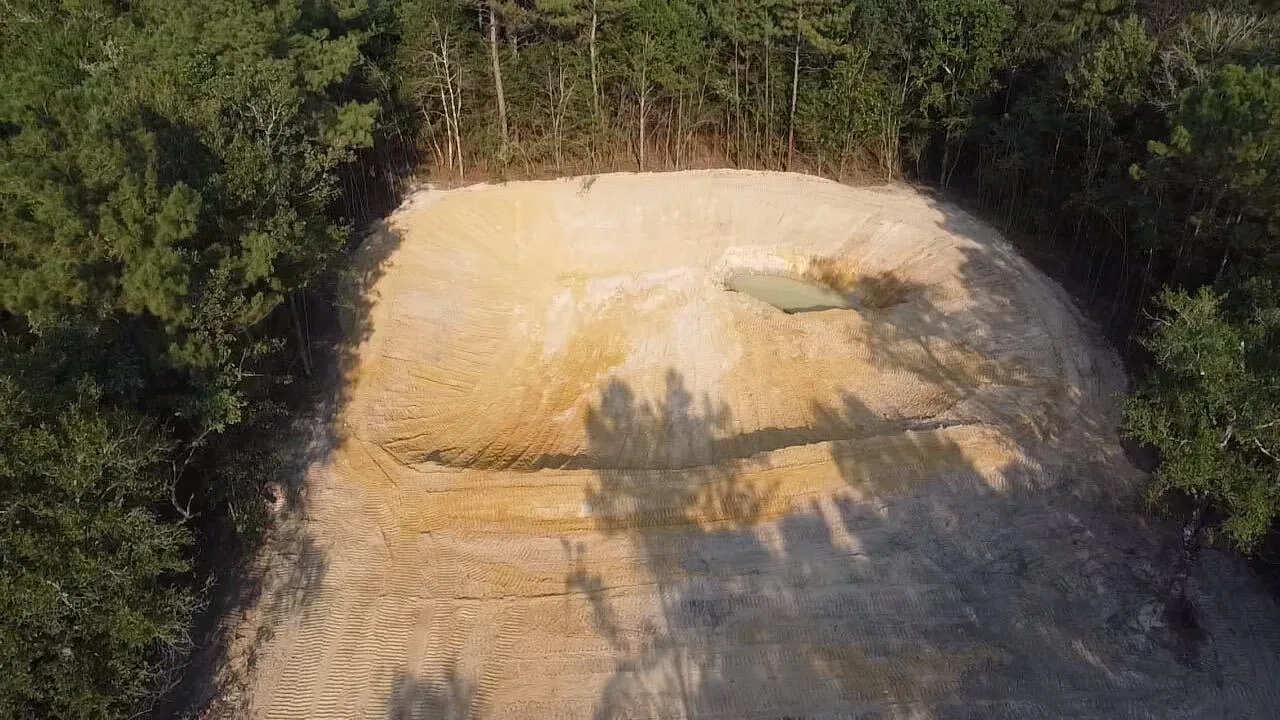
Site dig-outs, soft-spot removal, pond and basin digging and cleanup work with our own excavator.
View Details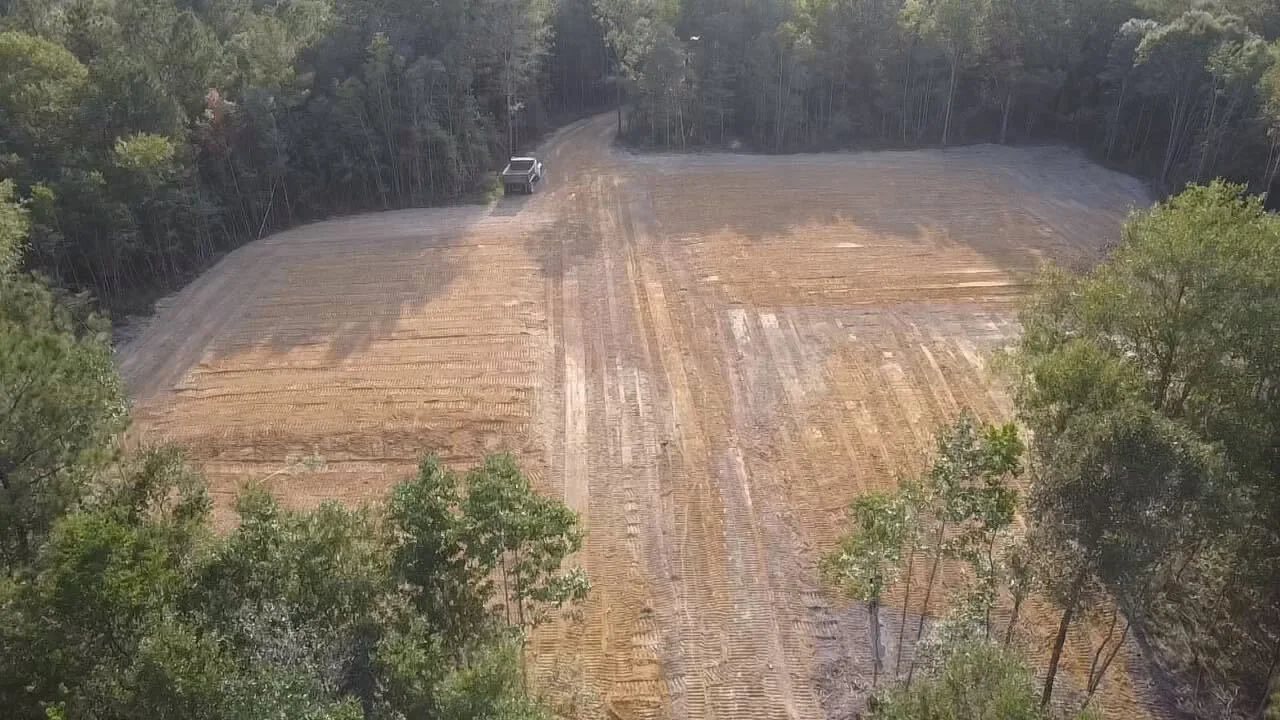
Wooded lots, overgrown acreage and future homesites cleared with our own dozer — trees and brush out, clean workable dirt left behind.
View Details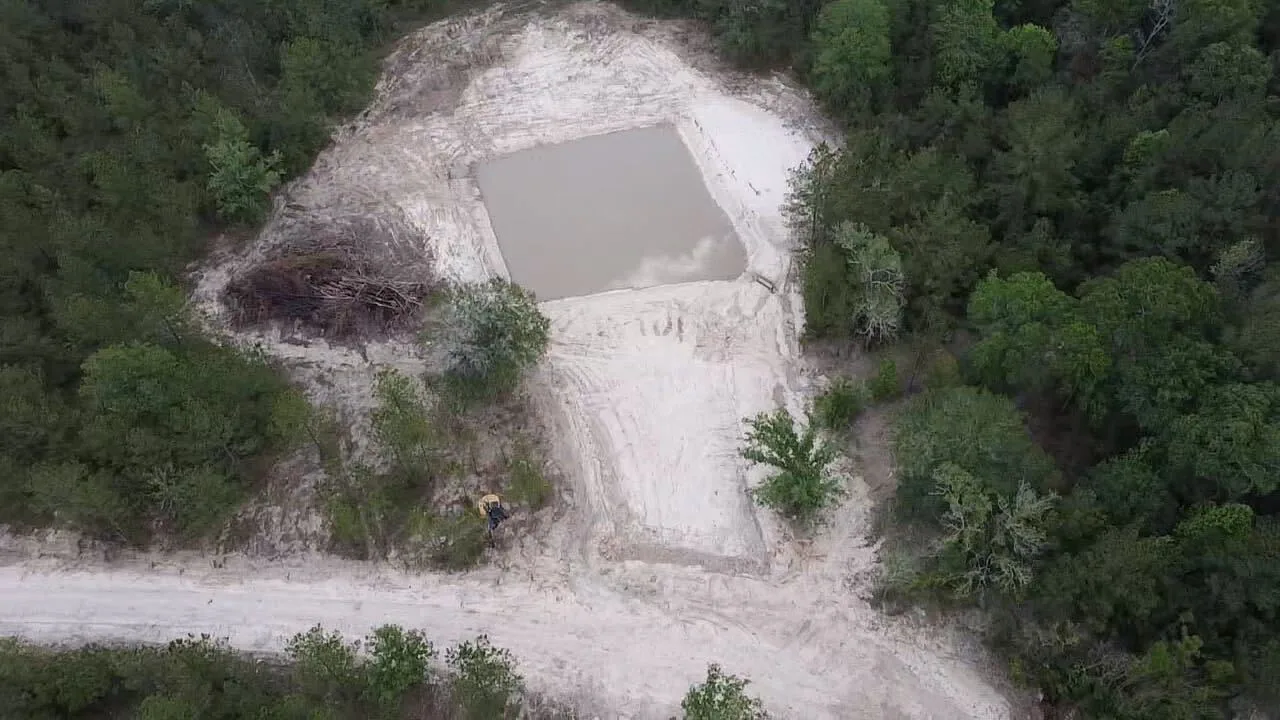
Stock ponds, fishing ponds and retention ponds — dug, shaped and banked right, with the spoil dirt put to work on your land.
View DetailsFamily owned and operated since 1990, with three generations on the same iron. The name on the machine is the family doing the work — and answering the phone.
Dozer, excavator and tracked mulcher under one roof. Clearing, dirt work, grading and the pond get done as one job with one estimate — not three contractors pointing at each other.
We walk the property, tell you what the ground actually needs — and what it does not — and hand you a real number. No phone guesses, no surprise extras.
Sandy uplands, gumbo clay bottoms, wet winters and brush that never quits — this is the only dirt we have ever worked, and we build for what it does.
Land to clear, a pad to build, brush that's won too many summers, or a pond you've been thinking about for years? Call or send the form and we'll walk the property with you and hand you a free estimate — straight answers from the family that's worked this dirt since 1990.
Tell us about your land — we’ll get right back to you.